
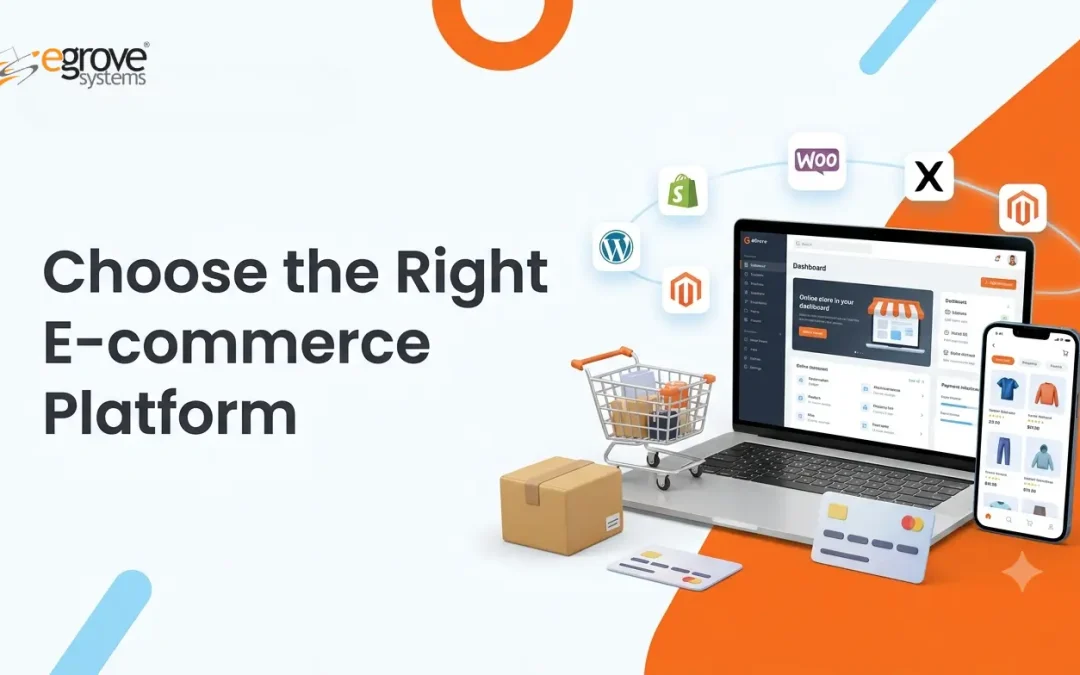
In today’s digital-first economy, micro, small, and medium enterprises (MSMEs) are no longer competing only within their local markets. They are competing with brands across cities, countries, and even continents. One of the biggest enablers of this shift is the rise of e-commerce platforms that allow businesses to build, manage, and scale online stores without heavy technical investment.
However, with so many platforms available—Shopify, WooCommerce, Wix, Magento, BigCommerce, and emerging AI-driven commerce tools—MSMEs often struggle to choose the right one. The decision is not just about building a website; it is about selecting a growth engine for the business.
This guide breaks down the most relevant e-commerce platforms for MSMEs, their strengths, limitations, and how to choose the right fit based on business needs.
Why E-commerce Platforms Matter for MSMEs
For MSMEs, every dollar and every customer matters. Unlike large enterprises, MSMEs operate with limited budgets, lean teams, and high dependency on efficiency.
E-commerce platforms solve key challenges:
- Remove the need for expensive custom development
- Enable 24/7 selling without physical store limitations
- Automate inventory, orders, and payments
- Provide marketing tools like SEO, ads, and email campaigns
- Expand reach beyond local geography
Most importantly, they help MSMEs transition from “offline dependent” to “digitally scalable” businesses.
Types of E-commerce Platforms
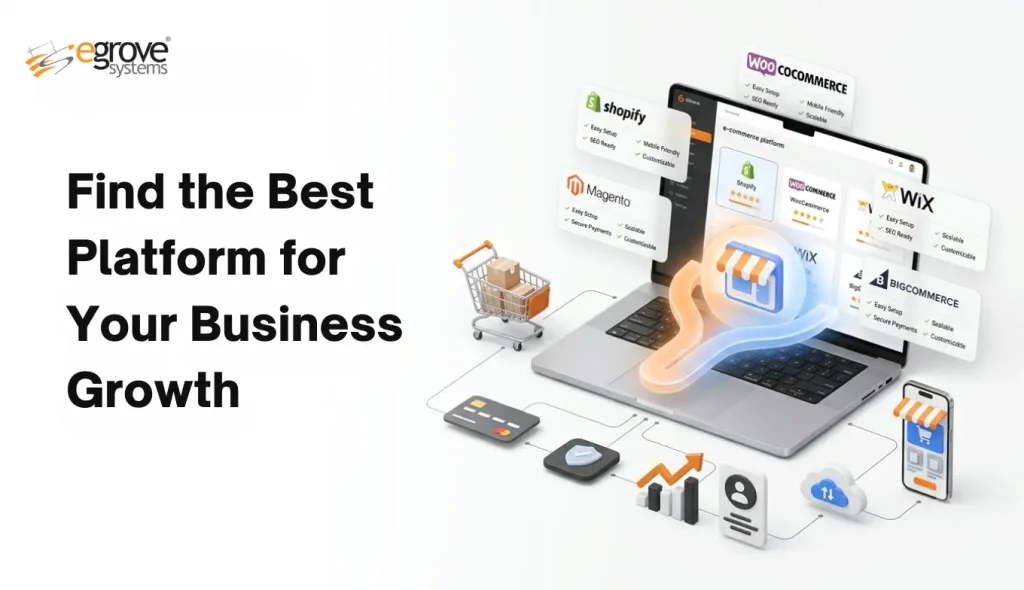
Before choosing a platform, MSMEs must understand the categories:
1. SaaS-Based Platforms (Hosted Solutions)
These platforms provide everything in one package: hosting, security, templates, and updates.
Examples: Shopify, BigCommerce, Wix eCommerce
Best for: Beginners, small teams, fast setup needs
Advantages:
- No technical setup required
- Quick launch (1–3 days)
- Built-in payment and security
- Easy scaling with apps
Limitations:
- Monthly subscription costs
- Limited backend customization
- Dependency on platform ecosystem
2. Open Source Platforms
These platforms allow full control over customization but require technical expertise.
Examples: WooCommerce (WordPress), Magento Open Source
Best for: Growing MSMEs with technical support
Advantages:
- Full customization control
- No platform lock-in
- Strong SEO flexibility
- Large plugin ecosystem
Limitations:
- Requires hosting and maintenance
- Security managed by user
- Higher technical dependency
3. Headless Commerce Platforms
Modern architecture separating frontend and backend systems.
Examples: CommerceTools, custom headless WooCommerce setups
Best for: Scalable MSMEs and tech-driven brands
Advantages:
- Ultra-fast performance
- Omnichannel selling (web, app, IoT)
- Highly flexible UI/UX
Limitations:
- Requires development team
- Higher initial cost
- Complex setup
4. AI-Powered & No-Code Platforms (Emerging Trend)
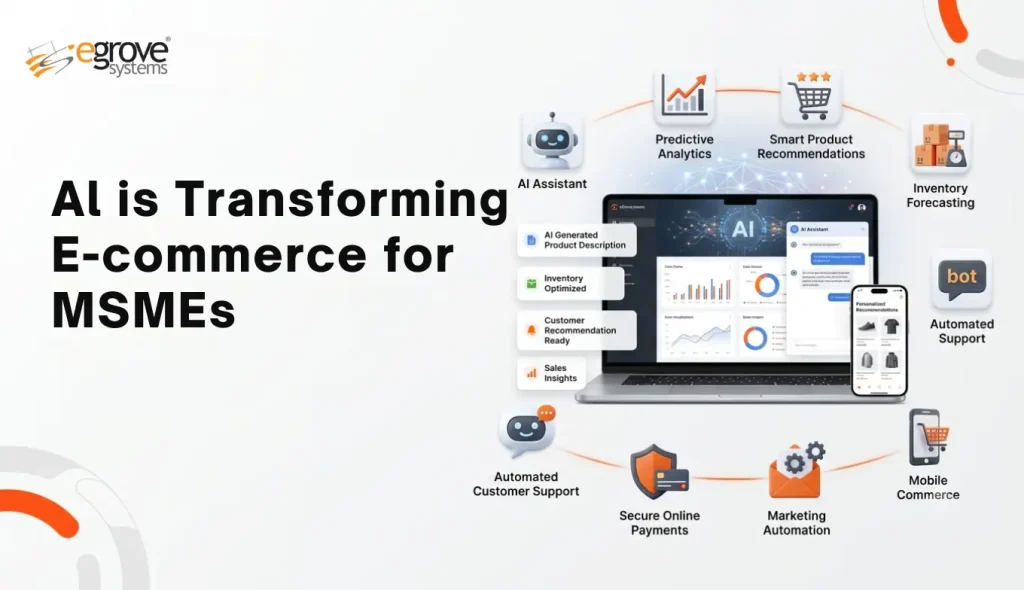
New-age platforms that use AI for store creation, optimization, and marketing.
Examples: AI store builders, automation-first commerce tools
Best for: MSMEs wanting automation and low effort management
Advantages:
- AI-generated product pages
- Automated SEO and marketing
- Smart pricing and recommendations
- Faster decision-making insights
Limitations:
- Still evolving technology
- Limited advanced customization in some tools
Key Features MSMEs Should Look For
Choosing an e-commerce platform is not about popularity; it is about business fit. MSMEs should evaluate platforms based on:
1. Ease of Use
A non-technical business owner should be able to manage products, orders, and payments easily.
2. Mobile Responsiveness
Most customers in India and global markets shop via mobile devices. Mobile-first design is essential.
3. Payment Integration
Support for multiple gateways like UPI, cards, wallets, PayPal, and COD is critical.
4. Scalability
The platform should support growth from 10 orders/day to 10,000 orders/day.
5. Marketing Tools
Built in SEO, discount engines, abandoned cart recovery, and email automation help increase sales.
6. Security & Compliance
SSL, GDPR compliance, and secure payment handling are non-negotiable.
Popular E-commerce Platforms Compared
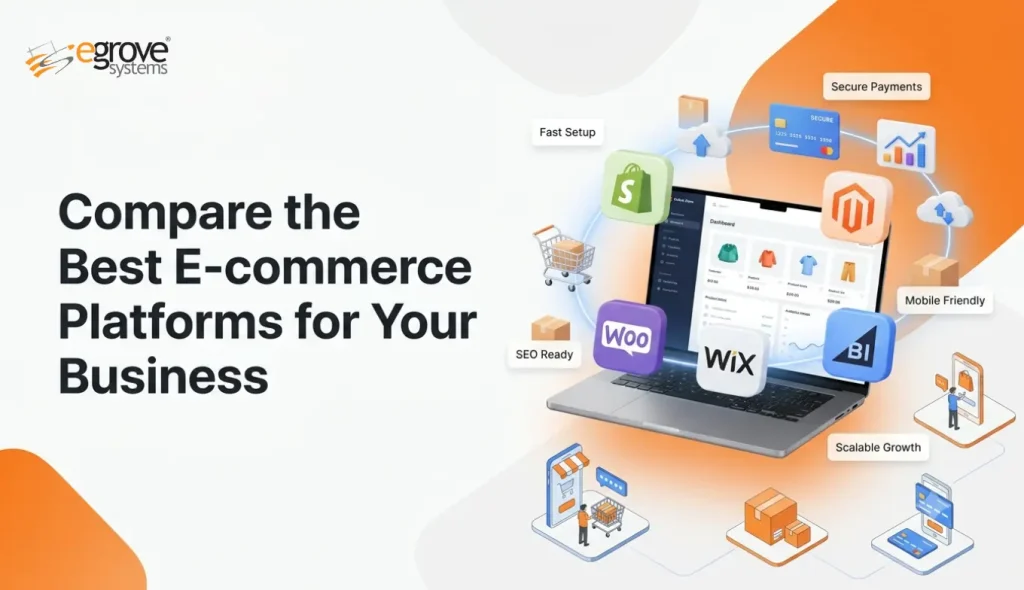
Shopify
Shopify – One of the most popular SaaS platforms globally.
- Easy setup
- Large app ecosystem
- Strong checkout system
- Monthly pricing model
Best for: MSMEs wanting fast scaling without technical complexity
WooCommerce
WooCommerce – Built on WordPress, highly flexible.
- Free core plugin
- Full customization
- Strong SEO capabilities
- Requires hosting
Best for: MSMEs focused on content + commerce strategy
Wix eCommerce
Wix – Drag and drop simplicity.
- Beginner-friendly
- Fast store creation
- Limited scalability compared to Shopify/Magento
Best for: Small MSMEs and service-based sellers
Magento (Adobe Commerce)
Magento – Enterprise-grade flexibility.
- Highly powerful
- Advanced customization
- Requires developers and hosting infrastructure
Best for: Large MSMEs or fast-growing brands
Challenges MSMEs Face in E-commerce Adoption
Despite the availability of platforms, MSMEs still face barriers:
- Lack of digital skills
- Budget constraints
- Difficulty in choosing the right platform
- Poor integration with logistics
- Marketing knowledge gaps
This is where modern AI-driven commerce solutions are changing the game by simplifying operations and reducing technical dependency.
Future of E-commerce for MSMEs
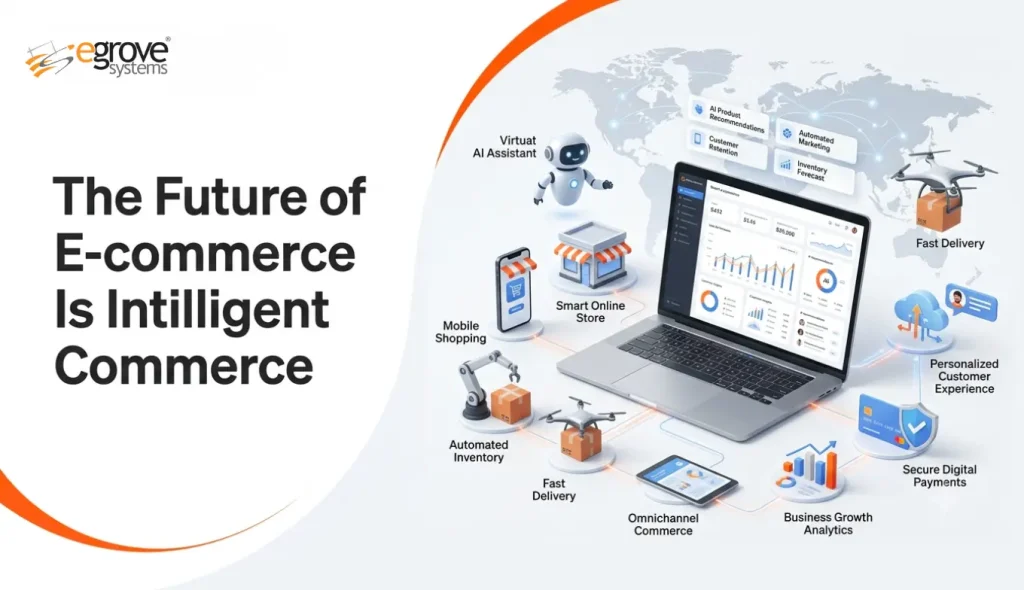
The next phase of e-commerce is not just about selling online; it is about intelligent commerce.
Key trends shaping the future:
- AI-driven product recommendations
- Voice-based shopping
- Social commerce (Instagram, WhatsApp, Facebook Shops)
- Hyper-personalized storefronts
- Automated inventory forecasting
- Headless and API-first architecture
MSMEs adopting these early will have a strong competitive advantage.
How MSMEs Should Choose the Right Platform
A simple decision framework:
- Need a quick launch? → Shopify / Wix
- Need control and SEO? → WooCommerce
- Need enterprise scaling? → Magento
- Need automation & AI efficiency? → AI-based commerce platforms
- Need omnichannel growth? → Headless commerce
The right choice depends on where the business is today and where it wants to be in 2–3 years.
2026 E-commerce Trends for MSMEs
What MSMEs Need to Know Right Now
The e-commerce landscape is shifting from “online stores” to “intelligent commerce ecosystems.”
Key Trends Shaping MSME Growth:
AI-Powered Store Management
AI now helps generate product descriptions, optimize pricing, and predict customer demand in real time.Social Commerce Expansion
Platforms like Instagram, WhatsApp, and YouTube are becoming direct selling channels, not just marketing tools.Headless Commerce Adoption
Businesses are separating frontend and backend systems for faster, multi-device shopping experiences.Mobile First Buying Behavior
Over 70% of online purchases now happen through mobile devices, making UX critical.Automated Customer Journeys
From abandoned cart recovery to personalized email flows, automation is driving conversions.Unified Commerce Experience
Offline + online + marketplace integration is becoming the standard model.MSMEs that adopt AI-driven, mobile-first, and omnichannel commerce strategies will outperform traditional online stores.
Conclusion
E-commerce platforms are no longer optional for MSMEs; they are essential growth engines. The right platform can transform a small business into a scalable digital brand. Whether it is Shopify for simplicity, WooCommerce for flexibility, or Magento for enterprise scale, MSMEs must align platform choice with business goals.
At the same time, partnering with experienced digital solution providers like eGrove Systems can help businesses implement, optimize, and scale their e-commerce presence effectively.
The future of MSMEs is digital, and e-commerce platforms are the foundation of that transformation.